
SERVICE
Vacuum casting
Production-quality polyurethane parts without the cost of steel tooling.
WHAT IT IS
Production-quality parts, without the tooling cost
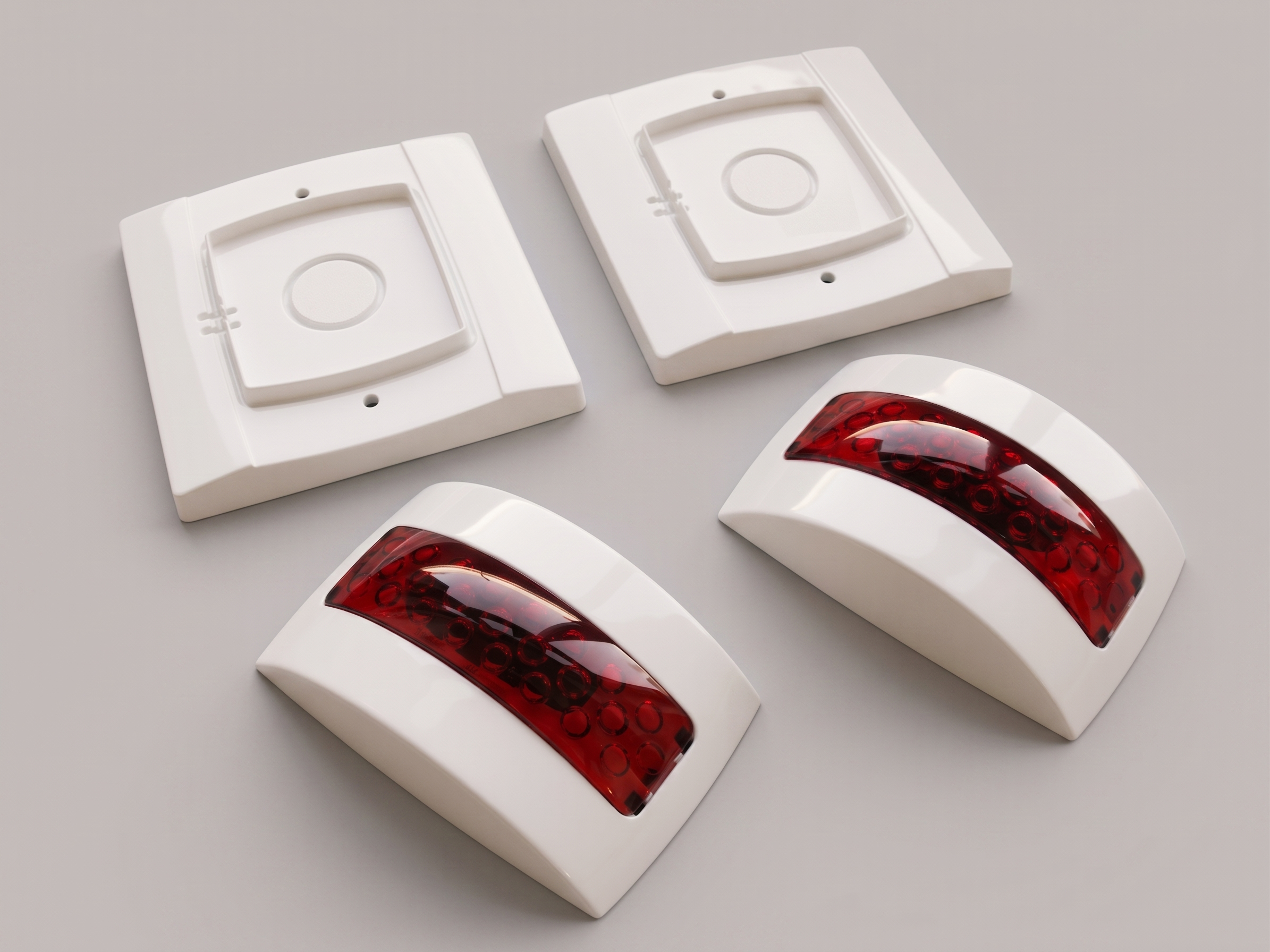
Vacuum casting uses a silicone rubber mould made from a master model to produce multiple copies in polyurethane resin. The result is a part that accurately replicates the finish, detail and material properties of your intended final product — at a fraction of the cost of steel tooling. It's the ideal process when you need more than one prototype, or when a single prototype needs to perform like the final product.
THE PROCESS
Master model

We produce or receive a master model — 3D printed part finished to the required surface quality.
Casting and finishing

The master is encased in liquid silicone, cured and cut to release it. The mould is ready for casting within a fast turnaround.
Silicone tooling

Resin is mixed, degassed under vacuum and poured into the mould. Parts are finished to your specification including painting and colour matching.
RELATED WORK
Vacuum casting from our portfolio
A selection of vacuum cast projects we've completed for product designers and manufacturers across the UK.
✔ Good fit if…
✔ You need colour matched or overmoulded parts
✔ Parts that mimic production materials
✔ Fast turnaround before committing to tooling
✔ Water clear or flexible parts
IS THIS THE RIGHT PROCESS FOR YOU?
✖ Consider alternatives if…
✖ You need more than 50 parts per run
✖ Production volumes justify steel tooling costs
✖ You need materials not available in polyurethane
MATERIALS AND FINISHES
Colour can be added to any material, and we can match to a RAL or Pantone reference, or to a supplied sample. Transparent and water clear parts are also possible with a high degree of optical clarity. Silver, gold, brass and copper powders can be integrated into castings for a realistic and cost-effective metallic effect.
Our materials can simulate a vast selection of industrial materials — ABS, polycarbonate, polypropylene, glass-filled nylon, heat resistant and flexible elastomer rubber from shore 20–90A — all achieved with a high degree of accuracy.
Ready to get started?
Upload your CAD files and we will respond with expert advice and a quote. No obligation.